Breathing For IBS

This week, I’ve had a couple of my participants mention that they’re really struggling with Irritable Bowel Syndrome.

The exact cause of IBS is uncertain, but it is often linked to stress, a sensitive gut, and speed of digestion.

Although diet and medication changes can help, sometimes we can overlook one of the simplest remedies…. breathing!
Most of us don’t give breathing much thought. Our bodies do it automatically, so it must be OK, right? Not necessarily.

Now, if you’ve spoken to me lately, you may have noticed, I’m a little obsessed with the benefits of breathwork. As a certified breathwork coach, I can help with using the breath to sharpen mental focus, reduce stress, go to sleep, wake up and even improve athletic endurance and performance. However, for the purposes of this blog, I’ll try and stay on topic!

Breathwork can be used to stimulate the Vagus nerve, which is the longest cranial nerve in the body, running all the way from your brain to the large intestine. This nerve is responsible for switching your body from ‘fight or flight’ mode – your body’s natural stress response, into ‘rest and digest’ mode, by activating the parasympathetic nervous system (PSNS). This not only calms the body and reduces our heart rate, but can also sooth a sensitive gut.

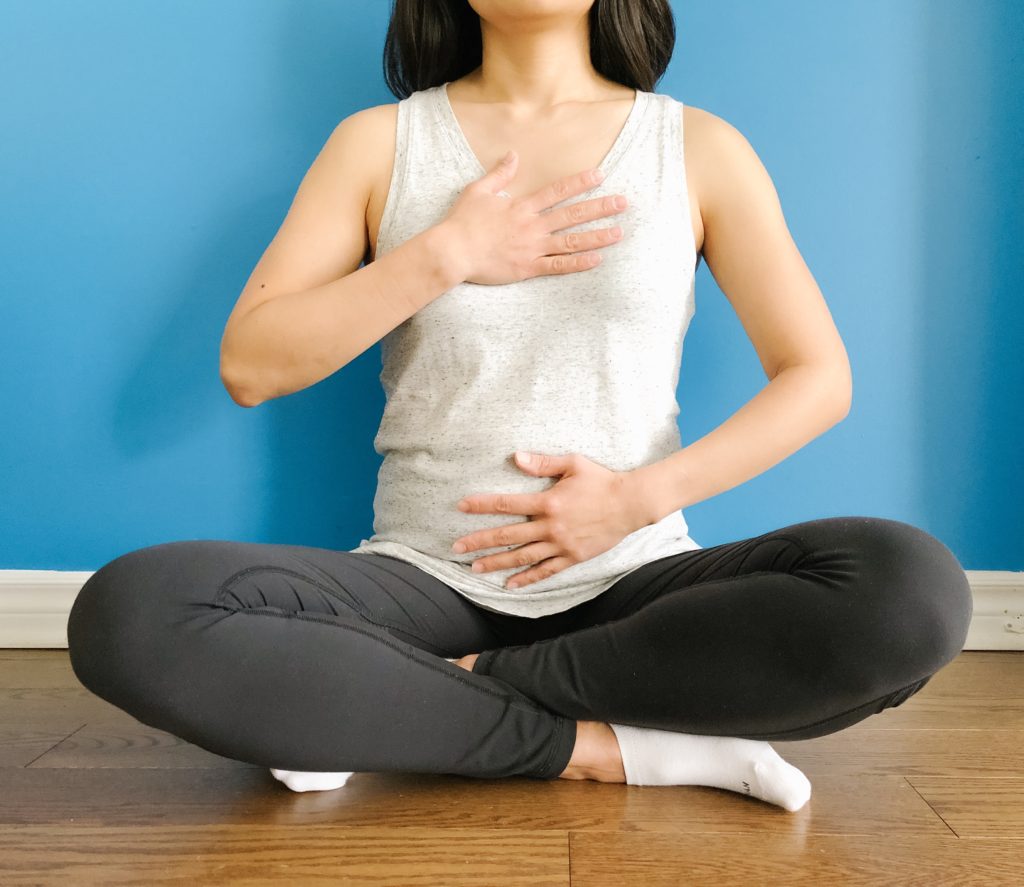
The most important factor in activating our PSNS, is diaphragmatic breathing… that is, breathing into the belly. Our diaphragm is a dome shaped muscle at the bottom of our ribs, that pulls the lungs downwards when we inhale, allowing the air to be drawn into the lower lobes of the lungs. The chest should rise least and last. Often, due to anxiety, lifestyle, or simply sitting at a desk all day, we can get into the habit of upper chest breathing, using our secondary breathing muscles and shoulders to do all the work. Now, I said I wouldn’t go off on a tangent, but in short, this can reduce oxygenation of the tissues, stall our PSNS and potentially contribute to a whole host of health issues, including IBS.

Secondly, we want to do our best to ‘nasal breathe’ as much as possible. Now, again, I could write a whole blog on this topic alone (that’s for another day) – but basically, unless you are working out super hard (high metabolic demand), it’s nasal breathing for the win. It helps activate the diaphragm, triggers the PSNS, dilates the airways & blood vessels and slows the heart rate.

Lastly, slow the breath – particularly the exhale. Sitting upright, or even better, lying down with knees bent and feet flat on floor, start by gradually slowing the breath a little. Count to 3 or 4 as you inhale, then the same for the exhale. Once you are comfortable with that, start to lengthen the exhale; perhaps breathing in for 3 and out for 6, or even 4:8. Feel the breath enter your nose and travel down to the belly. Feel the lower ribs expand, and then slowly, gently, allow the breath to fall.

So – in short – breath in and out through your nose (mouth is for eating, nose is for breathing) whenever possible. Breath in to your belly, and slow the breath.

If at any point you start to feel lightheaded or uncomfortable, just return to your normal breath pattern for a minute or two, then try again.

These simple techniques can trigger that ‘rest and digest’ parasympathetic nervous system, which will slow the heart rate, soothe the digestive tract and relax the mind and body. Magic!

For more tips, drop me a message (ask me about humming 😉

Managing a workforce? Contact me to discuss how I can help with relaxation, activation or exploratory breathwork sessions for your team!
Focus On… Pound: The Rockout Workout

It’s time for the fourth in our series of blogs highlighting the unique benefits of different class formats.

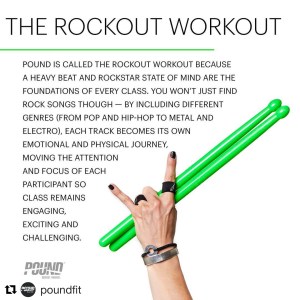
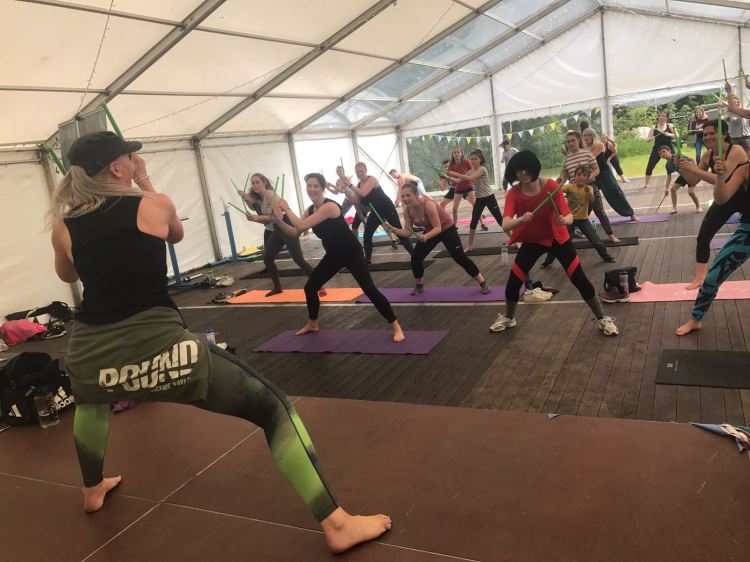
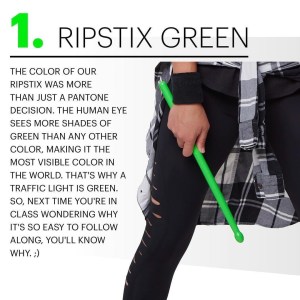
POUND is an amazing cardio-conditioning jam session, inspired by the awesome, sweat dripping fun of playing the drums! Using ‘Ripstix’ – lightly weighted exercise drumsticks – instead of just listening to the music, you become part of the music, in this incredibly effective workout.

Each position & technique has different intensity options, meaning that every Pound class is for anybody and everyBODY. Read on to find out what Pound can do for you!

Benefits

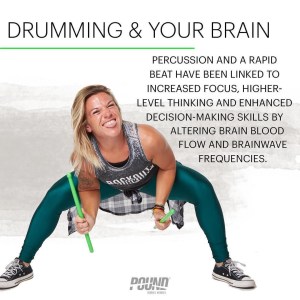
Our bodies naturally lean on percussion to self soothe… For example, have you ever banged a limb and, without thinking, rhythmically stamped your foot to ease the pain? Or noticed that nerves or anxiety often find an outlet in a repetitive shake of the leg or finger tapping? Incorporating percussion into your workout can help relieve anxiety or stress. It can also improve focus, decision making skills and even pain tolerance!

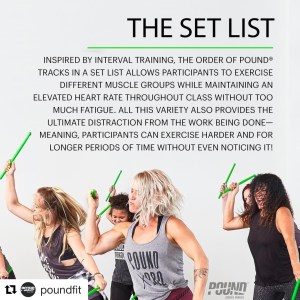
Those bright green Ripstix don’t just sound great… they also provide a fab core workout! How’s that? Well, adding a light (just 1/4lb) weight to the end of each arm – and lengthening the lever – throws our center of gravity off and forces our core muscles to engage to keep us stable. Not only that, but ‘Rocking the Ripstix’ in a variety of strike patterns and techniques, distracts us from how hard we’re working, so we don’t even realise (until the next day, haha).

Incorporating yoga and pilates inspired moves and body positions, Pound can help increase our flexibility and our coordination too. Win-win!

Finally, POUND’s welcoming, all-inclusive philosophy appeals to Rock Stars of all ages and stages. So often in life, we are encouraged not to make a fuss, to ‘put up and shut up’. Not here. We are a band of Fitness Rebels. Come as you are, be who you are and MAKE NOISE!

To check it out for yourself, drop me a message or head to the ‘classes’ page to book now.

pound class with clare, llandudno

Practicing Gratitude.

Because of my role with Pound – for which I’m very grateful – I have many friends across the pond. So, for the last few days, my social media newsfeeds have been full of Thanksgiving posts. Now, I know Thanksgiving is primarily an American tradition, but I love the idea of setting time aside to consider what we can be grateful for.

Life can sometimes feel like a struggle, and the last couple of years have perhaps given us even more cause to lose sight of its simple but amazing aspects. Regular gratitude practice has been shown to help alleviate anxiety and low mood. It can also help us navigate and cope when experiencing traumatic events or negative emotions.

practicing gratitude, feeling grateful

So, how can we get started practicing gratitude?

1. The power of the pen.

On a piece of paper – or even better, a gratitude journal – write down names or things in your life you are grateful for and why. Need inspiration to get started? Keep it simple – the roof over your head, a phone call from a friend, dinner in the oven.

2. Talk about it.

Open a conversation with a friend or family member about what you are most thankful for. This can help you emphasize the good around you whilst inspiring someone else to think about what they’re most grateful for.

3. Show your appreciation.

Identify someone you want to show gratitude to and tell them why. You can do this over the phone or in person. In a world that constantly tears people down, encouragement and kind words are a gift that costs us nothing.

4. Pay it forward.

Find a way to show appreciation by doing a small favor for someone or helping them out in some way. It feels good to give to others and you may just make their day in the process.

5. Reflect and repeat.

Pause and think about how the gratitude exercises helped and commit to doing them regularly. Better yet, choose to be grateful every day by listing three things you’re thankful for. This simple action can have a profound effect on your outlook and well-being.

Thank you – I am grateful to you for reading this blog ☺

Focus on… PureStretch

Oooh… Now, in the third post of this series, we’re taking a look at a brand new class!

PureStretch hits the schedule in a fortnight, and is already promising to be pretty popular!

When most folks think about fitness, they think about cardio and body conditioning. The most neglected component (and one of the most important) is flexibility. Tight hamstrings, sore muscles and poor core strength can affect your whole posture leading to discomfort. Increasing your range of movement can lower your risk of injury and improve your quality of life.

PureStretch is a 45/60 minute class drawing on elements of yoga and pilates to lengthen the entire body whilst also focusing on core stability. It will improve flexibility, develop core strength and add more balance to any fitness regime. The class is designed for all levels of flexibility with options to suit everyone.

Do your body a favour, and look for PureStretch on the timetable, Thursday nights from 17 November! Booking opens on 10th at https://app.gymcatch.com/provider/2312/events

Focus on… Pound Unplugged

In the second of a series of ‘focus’ posts, we’re looking at the beautiful Pound Unplugged.

Even before the pandemic, Pound HQ recognised the mental health crisis happening around the world. We’re burnt out, we feel uncertain, and some of the ways that we’ve traditionally coped have changed or gone away. So they created a workout that the world needs and that meets you where you’re at; mentally, physically and spiritually.

Pound Unplugged blends high-intensity training with rhythmic breathing, mindfulness and meditation. We’re able to sweat, release and boost our neurochemicals while quickly settling back into a peaceful, recharged, and empowered state. All within 30(ish!) minutes.

We start off with 20 minutes of ROCK… moving through different techniques and movement patterns in a high energy, cardio conditioning sweat fest. We then move into a short rhythmic breathing that refocuses the mind and calms the nervous system in a way which is almost tribal.

Finally, the class finishes with a short meditation, leaving you totally blissed out! There’s some sort of magic, in the combination of high energy, endorphin release, tribal breathwork, and relaxation. As one participant said, “it is everything I didn’t know I needed”.

Drop me a message to book your place and find your release.

Focus on…. Core.Stretch.Relax.

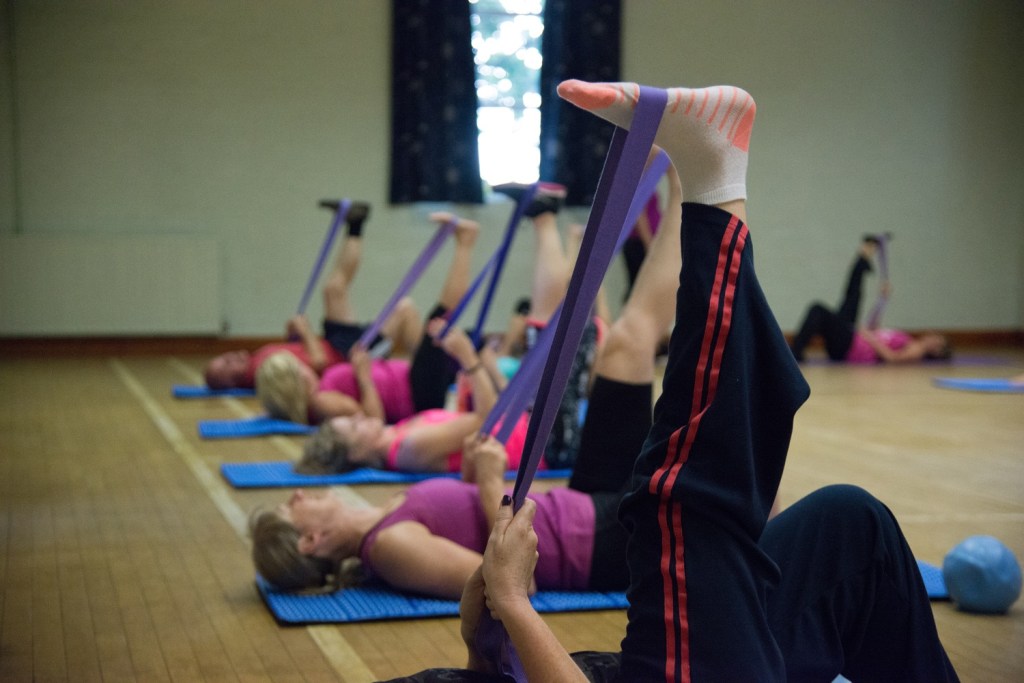
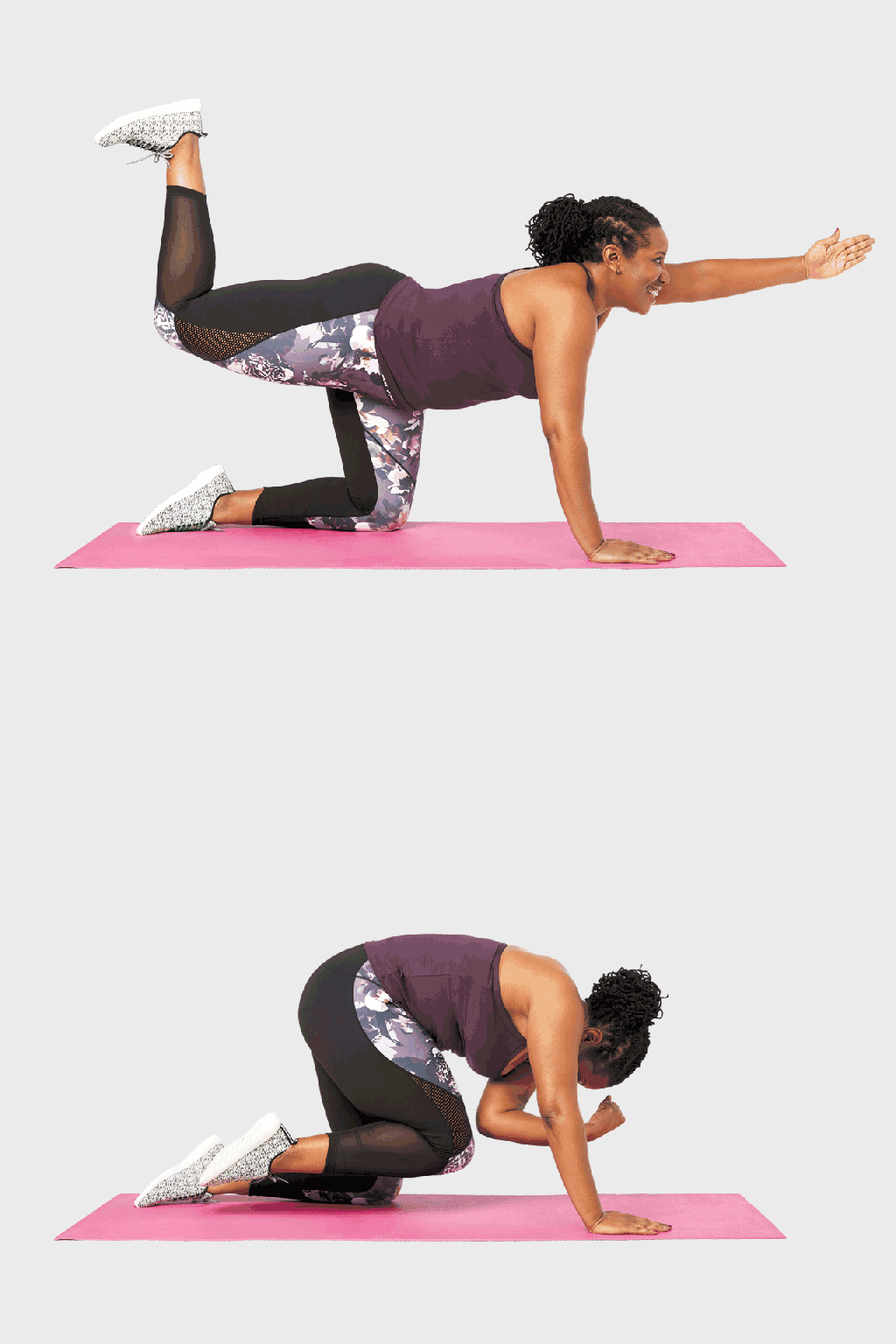
What to expect: The class is entirely mat based. We begin with a warm up song (track) which fires up the core and glutes by moving through a sequence of 3 – 4 different techniques, usually from a home base of tabletop position (hands and knees). From there, we work through three body conditioning tracks, based in three different main body positions, side lying/side plank, supine (on your back) and front plank/tabletop. There are a number of options for each technique, allowing you to work at your own comfort level, and increase your challenge as your wish.

Following on from the conditioning tracks, we transition into the stretch sequence. Once again, we move with the music, working our way through a variety of sequences designed to gently stretch the whole body.

Finally, we finish the class with a lovely meditation/relaxation phase, designed to leave you feeling rested and peaceful.

I provide options for every position and technique we move through, and so this class is suitable for most participants, as long as you are able to comfortably move between the basic positions mentioned above. 

Classes every Tuesday 7pm in Craig Y Don. If you have any questions, drop me a message through the ‘Let’s Connect’ page.

Feeling Weary?

It could be Autumnal Fatigue! 🍁🍂

With the nights drawing in, and the sun taking it’s sweet time to rise, we aren’t exposed to as much natural light in the Autumn and Winter. This means that our bodies produce less serotonin & more melatonin – the sleep hormone!

This was fine in the days before electricity. People would naturally do less in the colder months. We’d rise with the sun, get our day’s work done and go to bed at sunset. But now, we tend to have the same routine all year round, and our light-sensitive circadian rhythm can get in the way! But what can you do about it?

💡Get the lights on – Bright light, even artificial, can help suppress the body’s production of melatonin. So, no more creeping about in the dark!

🌞Get outside – Yes, even when it rains. The natural daylight will perk you up, and support your circulation. It also helps boost your vitamin D. Adding 10mcg VitD supplement can really benefit too.

💦Watch your water intake. As it gets cooler, we tend to head for the hot drinks – often caffeinated – rather than a glass of water. But this can act as a diuretic, leaving us even less hydrated. Water not only helps carry oxygen and other nutrients around the body, helping us feel more energised. But it also lubricates and cushions the joints. Feeling a bit achier than normal? Up your intake!

🤸🏼‍♀️Exercise – even when you don’t feel like it! You knew it was coming, didn’t you? You may have less motivation as winter approaches but remember how good you feel afterwards. When did you last regret coming to class?

Photo by Dana Tentis on Pexels.com